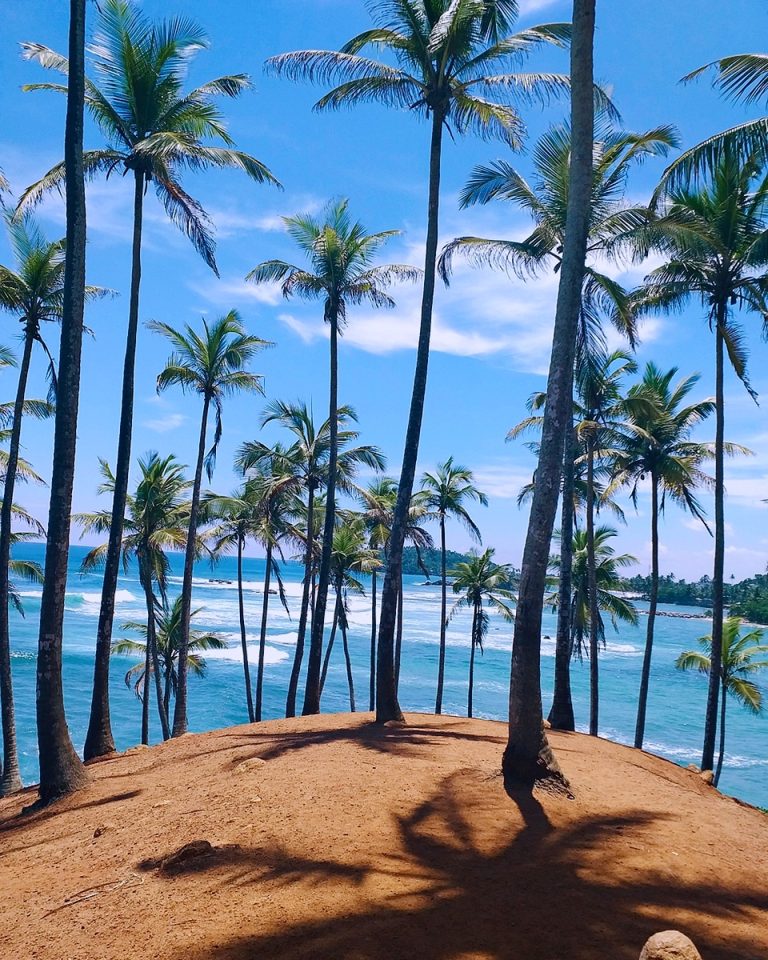
Is Sri Lanka Safe to Travel in 2025? Safety Tips & Areas to Avoid
Introduction: Is Sri Lanka Safe in 2025?
Sri Lanka, a land of emerald tea plantations, golden beaches, and ancient temples, has long been a bucket-list destination. However, recent political unrest and economic challenges have left travelers wondering: Is Sri Lanka safe to visit in 2025? The short answer is yes—with caution. While the country has stabilized since the 2022 protests, staying informed and prepared is key. This guide covers everything from current safety conditions to cultural tips, ensuring your trip is both safe and sensational.
Sri Lanka’s Current Safety Landscape (2025 Update)
Sri Lanka has made significant strides toward recovery after its 2022 economic crisis. Tourism rebounded in 2024, and the government has prioritized traveler safety to revive the industry. However, challenges remain:
- Economic Pressures: Inflation and shortages can affect local services.
- Political Stability: Peaceful protests occasionally occur, but they’re typically non-violent.
- Crime Rates: Petty theft (pickpocketing, scams) is the primary concern, especially in tourist hubs like Colombo and Kandy.
Travel Advisories (2025):
- US State Department: Level 1 (“Exercise Normal Precautions”).
- UK Foreign Office: Advises vigilance in crowded areas.
- Australia: Recommends avoiding demonstrations.
Areas to Avoid in Sri Lanka
While most of Sri Lanka is safe, these regions require extra caution:
1. Northern Province (Jaffna Peninsula)
- Why: Remnants of civil war tensions and limited infrastructure.
- Exception: Jaffna city is generally safe but avoid remote areas near former conflict zones.
2. Eastern Province (Trincomalee to Batticaloa)
- Why: Occasional ethnic tensions and less tourist policing.
- Safe Zones: Trincomalee’s beaches (Nilaveli, Uppuveli) are popular and secure.
3. Colombo Protest Hotspots
- Where: Galle Face Green and Fort area during political rallies.
- Tip: Monitor local news for planned demonstrations.
4. Remote Wildlife Parks
- Why: Poor emergency services in parks like Wilpattu or Yala’s buffer zones.
- Stay Safe: Visit with licensed guides and avoid solo treks.
Top Safety Tips for Travelers
- Guard Against Petty Theft
- Use anti-theft bags in crowded markets (Pettah, Kandy).
- Avoid flashing expensive gadgets or jewelry.
- Transportation Safety
- Tuk-Tuks: Negotiate fares upfront or use Uber/PickMe apps.
- Trains: Secure valuables on scenic routes (e.g., Kandy–Ella).
- Roads: Night driving is risky due to poor lighting and erratic drivers.
- Health Precautions
- Vaccinations: Ensure typhoid, hepatitis A, and tetanus are up-to-date.
- Mosquito Protection: Dengue is prevalent—use repellent and nets.
- Water: Drink bottled or boiled water; avoid ice in rural areas.
- Avoid Scams
- Gem Scams: Politely decline “too-good-to-be-true” jewelry deals in Colombo.
- Fake Guides: Hire certified guides via hotels or tourism boards.
- Respect Cultural Norms
- Dress Modestly: Cover shoulders/knees at temples (e.g., Temple of the Tooth).
- Photography: Ask permission before photographing people or religious sites.
Health & Emergency Resources
- Hospitals: Colombo’s Asiri Hospital and Nawaloka Hospital offer international standards.
- Emergency Numbers:
- Tourist Police: 1912
- General Emergency: 119
Natural Disaster Preparedness
- Monsoons: Southwest (May–September) and Northeast (November–February). Flooding can disrupt travel.
- Tsunami Risk: Heed warning sirens in coastal areas.
Safe Destinations to Prioritize
- Galle Fort (South): Well-policed, historic, and tourist-friendly.
- Ella (Hill Country): Low crime, trekking, and backpacker-friendly.
- Mirissa (South Coast): Safe beaches with a relaxed vibe.
- Sigiriya (Cultural Triangle): Secure and rich in history.
FAQs: Your Sri Lanka Safety Questions Answered
Q: Is solo female travel safe in Sri Lanka?
A: Yes, but dress conservatively, avoid isolated areas at night, and use registered taxis.
Q: Can I use credit cards?
A: Major cities accept cards, but carry cash (LKR) for rural areas.
Q: Are trains safe?
A: Yes—book 1st or 2nd class for comfort. Watch bags on crowded routes.
Q: How is LGBTQ+ safety?
A: Same-sex relationships are legal but not widely accepted. Discreetness is advised.
Conclusion: Sri Lanka Awaits—Travel Smart!
Sri Lanka in 2025 remains a enchanting destination for mindful travelers. By staying informed, respecting local customs, and prioritizing secure accommodations, you can explore this island paradise safely. Keep this guide handy, trust your instincts, and embrace the warmth of Sri Lanka’s people and landscapes.
Pro Tip: Enroll in the STEP Program (US citizens) for real-time safety updates from the embassy.