National Museum of Colombo: Sri Lanka’s Premier Cultural Treasure House (2026)
National Museum of Colombo: A 2,500-Year Journey Through Sri Lankan Heritage
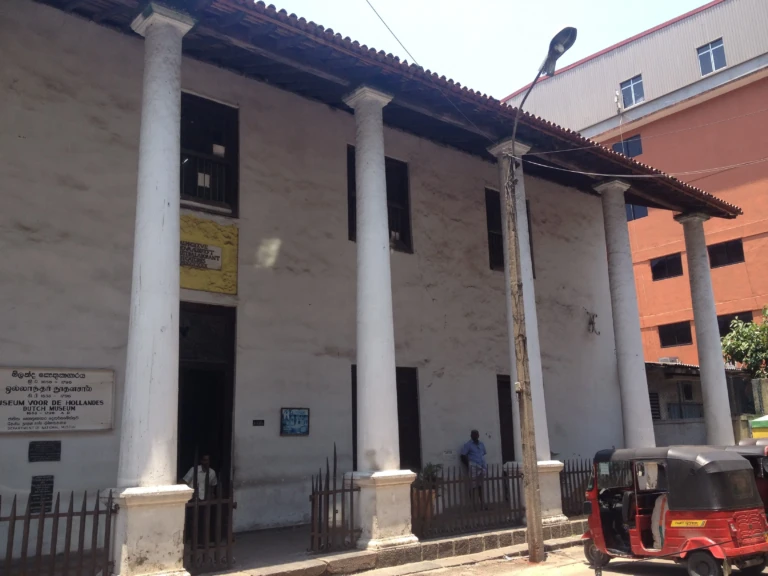
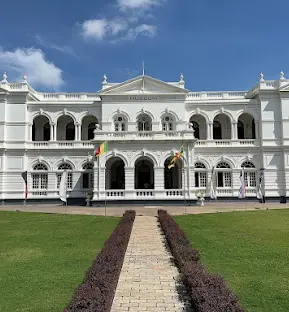
In the heart of Sri Lanka’s capital, nestled on Sir Marcus Fernando Mawatha, stands a magnificent Italian-style colonial building that houses the soul of the nation—the National Museum of Colombo . Also known as the Sri Lanka National Museum, this grand institution is the largest museum in the country and serves as a guardian of over 2,500 years of island history . From the majestic throne of Kandyan kings to ancient stone sculptures, the museum offers visitors an unparalleled glimpse into the rich cultural tapestry of Sri Lanka.
A Colonial Vision: The Founding of the Museum
The history of the National Museum began with Sir William Henry Gregory, the British Governor of Ceylon from 1872 to 1877. A great lover of art and a supporter of the British Museum in London, Gregory was surprised to see Ceylon’s rich cultural heritage neglected and falling into ruins. In his first speech to the Legislative Council in 1872, he proposed creating a public museum. Although the Council initially rejected the idea because of the high cost, Gregory continued to push for it, and the proposal was approved within a year.
Designed by James George Smither, the museum was built in the Italian architectural style between 1874 and 1876. Wapchi Marikar led the construction, while S. M. Perera handled the carpentry. The Colombo Museum officially opened on January 1, 1877, with 808 artifacts and 384 natural specimens.
A Landmark with a Unique Friday Tradition
The museum’s opening ceremony in January 1877 was attended by a large crowd, among whom were many Muslims present . At the end of the ceremony, Governor Gregory asked Wapchi Marikar what honor he wished to receive for his dedication . Noticing the large number of Muslims present, Marikar requested that the museum be closed on Fridays, the Islamic holy day, to ensure that worshippers would not be distracted from their prayers . The Governor granted this request, and the museum remained closed on Fridays for many years . Today, the museum is open on most days, though it remains closed on public holidays .
Exploring the Galleries: A Treasure Trove of History
Spread over two floors, the museum’s galleries are thoughtfully arranged to guide visitors through Sri Lanka’s ancient, medieval, and colonial past . The ground floor galleries are organized in historical sequence, while the upper floor galleries are arranged thematically .
Must-See Highlights
- The Kandyan Royal Regalia: The crown jewels and the ornate golden throne of the last King of Kandy are among the museum’s most prized possessions . These were returned to Sri Lanka by the British Government and are displayed with great reverence .
- The 5th-Century Seated Buddha: A large and serene statue of the seated Buddha, dating back to the 5th century, greets visitors at the entrance, setting the tone for a spiritual and historical journey .
- Stone Sculptures and Inscriptions: The museum houses an extensive collection of stone carvings and inscriptions from the ancient kingdoms of Anuradhapura and Polonnaruwa .
- Weapons and Armory: A fascinating display of swords, daggers, and other weaponry showcases the military history of the island .
- Masks and Puppets: Intricately crafted traditional masks and puppets used in ritual dances and performances reflect the artistic skills of Sri Lankan craftsmen .
- Natural History Gallery: A dedicated section displays mammal, reptile, fish, and bird specimens, including an exclusive Sri Lankan blue peacock specimen, alongside coral, shell, and mineral collections .
The Museum Library: A Repository of Knowledge
Established alongside the museum on January 1, 1877, the library is an invaluable resource for researchers . The government Oriental library (1870) was incorporated into it, and since 1885, the library has served as a legal deposit library, receiving a copy of every document printed in the country . Today, it houses over 12 million titles, including rare books, periodicals, and palm leaf manuscripts .
Visitor Information
- Location: Sir Marcus Fernando Mawatha, Colombo 00700 .
- Timings: Open daily from 9:00 AM to 5:00 PM (closed on public holidays) .
- Entry Fees:
- Foreign Adults: $5.00 USD (general ticket) or $8.00 USD (combined ticket with Natural History Museum)
- Foreign Children: $3.00 USD (general ticket) or $4.00 USD (combined ticket)
- Best Time to Visit: Weekday mornings to avoid crowds.
- Note: Combined tickets for the Natural History Gallery must be purchased before 2:00 PM .
- Facilities: Free parking, a courtyard, and a cafeteria nearby .
- Audio Guide: Available in English for $1.50 USD (approximately 500 LKR) .
Why the National Museum Should Be on Your Itinerary
For travelers wondering what to do in Colombo, the National Museum is an essential stop. Housed in a magnificent colonial building with a captivating history, it offers a deep dive into Sri Lanka’s glorious past. Whether you are a history enthusiast, an art lover, or a curious traveler, the museum promises a memorable and educational experience .