Colombo Dutch Museum: Not to Miss, Exploring Sri Lanka’s Remarkable 17th-Century Colonial History (2026)
Colombo Dutch Museum: A Journey Through Sri Lanka’s Dutch Colonial Era
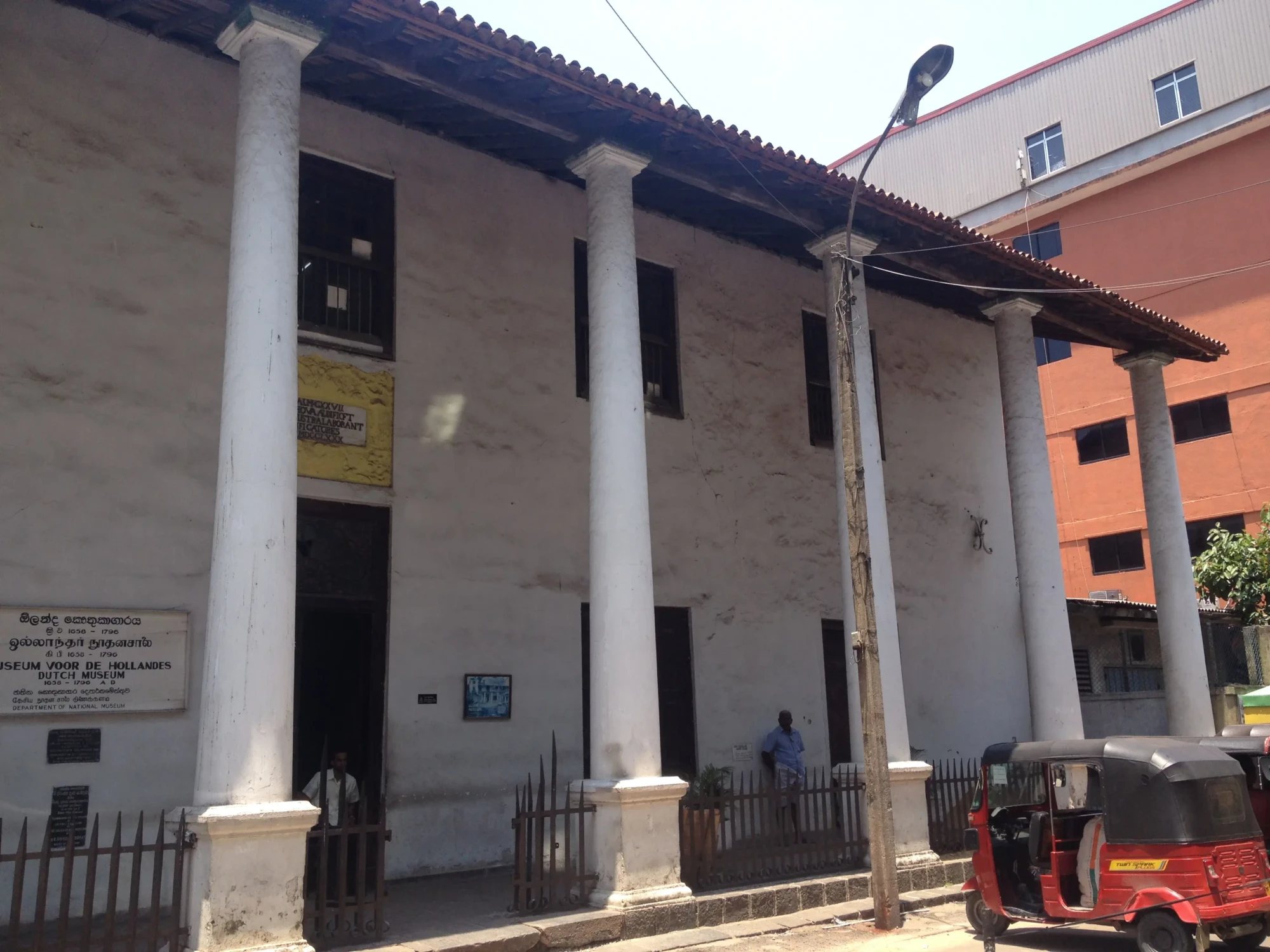
Tucked away on the bustling Prince Street in the heart of Colombo‘s Pettah district, the Colombo Dutch Museum stands as a remarkable testament to Sri Lanka’s colonial past. Housed within a beautifully restored 17th-century building that once served as the residence of a Dutch governor, this museum offers visitors a fascinating glimpse into the island’s Dutch colonial era (1656–1796). With over 3,000 artifacts on display, the museum is the only one of its kind in the world dedicated exclusively to the Dutch colonial period in a former colony, making it an essential destination for history enthusiasts and curious travelers alike .
A Colonial Residence: The Dutch Governor’s House
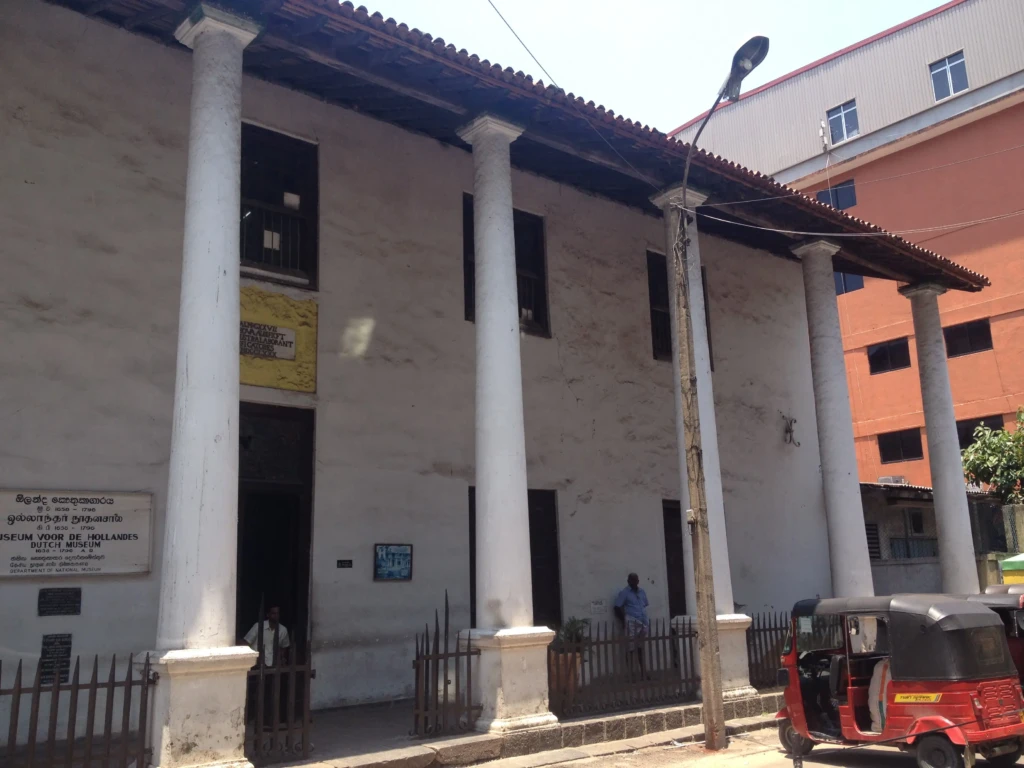
The two-story colonnaded building that now houses the museum was constructed during the Dutch occupation of Colombo and served as the formal residence of Thomas van Rhee, the Governor of Dutch Ceylon, during his term from 1692 to 1697 . The building’s architecture embodies the unique features of a colonial Dutch town house, with thick walls, high ceilings, large windows, and terracotta floors designed to combat the tropical heat . Its ornate wooden doors and elegant open courtyards reflect the Dutch architectural style that once dominated Colombo’s landscape .
A Building of Many Lives: From Orphanage to Post Office
Over the centuries, this historic building has served a remarkable variety of purposes, each leaving its mark on the structure’s rich tapestry of history. Between 1696 and 1796, it functioned as a teacher training college and an institute for the instruction of clergymen, and also housed an orphanage under the supervision of the deacons, financed by the Dutch East India Company . Later, it became the residence of Colonel Count August Carl Fredrick Von Ranzow (1759–1844) and was even used as a hospital during the war between the English and the Kingdom of Kandy in 1803 .
In the second half of the 1800s, the building became a barracks, and around 1900, it was converted into a police training school set up by the British. Its final function before becoming a museum came in 1932, when it was transformed into the Pettah Post Office . However, following heavy monsoon rains in 1971, one of the exterior walls collapsed, and the building was abandoned .
A Triumph of Preservation: The Birth of a Museum
The building faced the threat of demolition, but protests from the Royal Asiatic Society and the Dutch Burgher Union successfully halted these plans . In 1973, a committee was established, bringing together representatives from the Ceylon Tourist Board, the Department of Archaeology, the Netherlands Alumni Association of Lanka, and the National Archives, with a mission to restore the building and establish a museum dedicated to the Dutch colonial period . Restoration work began in 1977, with financial assistance from the Netherlands government, and was completed in 1981 . The museum was ceremonially opened to the public in 1982 by President Jayewardene . In 1999, the building was formally recognized by the Government of Sri Lanka as an archaeological protected monument .
Exploring the Museum: Artifacts and Exhibits
Today, the Colombo Dutch Museum showcases a carefully curated collection of artifacts that vividly portray various facets of contemporary life and culture during the Dutch colonial era . Visitors can explore:
- Antique Furniture: Exquisitely carved chairs, tables, almirahs, settees, and cradles made from valuable timber, showcasing the craftsmanship of the period .
- Weapons: A collection of swords, cannons, pistols, and daggers .
- Coins and Ceramics: Reflecting the economic and trade practices of the time .
- VOC Relics: Fascinating relics from the Dutch East India Company, including navigational instruments, maps, and trade documents that illustrate their significant role in shaping Sri Lanka’s history .
- Historical Documents and Portraits: Offering insights into the political and social structures of Dutch Ceylon .
- Dutch Governor’s Living Quarters: Preserved rooms furnished with period pieces, offering a glimpse into the domestic life of the colonial elite .
- Old Gravestones: Displayed at the back of the main building, these tombstones were unearthed during excavations at the site of the present Pettah police station and date back to the Dutch period .
Visitor Information
To make the most of your visit to the Colombo Dutch Museum, keep these practical details in mind:
- Location: 95 Prince Street, Pettah, Colombo 01100, Sri Lanka .
- Timings: Open from 9:00 AM to 5:00 PM, Tuesday through Saturday . Some sources indicate a closing time of 4:30 PM, so it is advisable to arrive early .
- Closed: Sundays, Mondays, and all public holidays .
- Entry Fee: Approximately 1,200 LKR (about $4.00 USD) for adults and 300 LKR (about $1.00 USD) for children .
- Best Time to Visit: Weekday mornings to avoid crowds.
- Getting There: The museum is located in the bustling Pettah district, a short walk from the Colombo Fort railway station. Be prepared for narrow, busy streets; driving can be challenging .
- Duration: Plan to spend 1 to 2 hours exploring the museum .
Why the Colombo Dutch Museum Should Be on Your Itinerary
For travelers exploring what to do in Colombo, the Colombo Dutch Museum offers a unique and enriching experience that brings the island’s colonial history to life. Housed within a beautifully restored building that has served many purposes over the centuries, the museum provides a quiet, reflective space amidst the vibrant chaos of Pettah. Whether you are a history buff, an architecture enthusiast, or simply curious about Sri Lanka’s diverse cultural heritage, the Colombo Dutch Museum promises a memorable journey back in time .