Pettah Floating Market : The Vibrant Unique Experience. Complete Guide to the Canal-Side Bazaar (2026)
Pettah Floating Market: Colombo’s Unique Canal-Side Shopping Experience
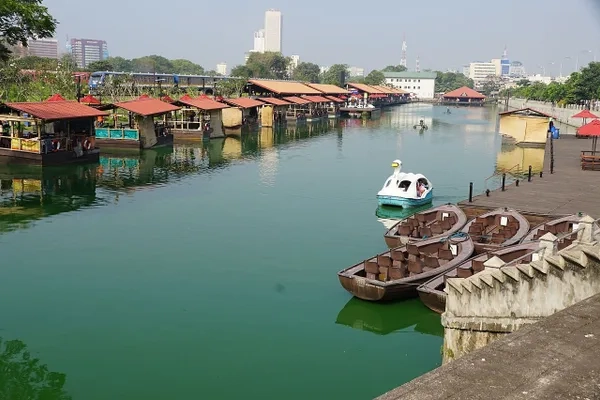
Tucked away on Bastian Mawatha in the vibrant heart of Colombo’s Pettah neighborhood, the Pettah Floating Market offers visitors a unique shopping experience that blends modern urban development with the charm of a waterside bazaar. Officially opened on 25 August 2014, this distinctive market features over 90 trade stalls, many of which are built on boats floating on the Beira Lake . It stands as a testament to Colombo’s ambitious urban beautification efforts, transforming what was once one of the city’s most dangerous and neglected areas into a peaceful spot for shopping and leisurely strolls .
From Dangerous Canal to Serene Market
The transformation of the Pettah Floating Market is a remarkable story of urban renewal. In the 1990s, the area now occupied by the floating market was one of the most dangerous zones in Pettah . Dilapidated buildings and abandoned factories lined the old colonial canal side, while pushy hawkers, drug dealers, and other nefarious types had turned the area into a place most people avoided .
The development project was carried out by the Urban Development Authority (UDA) at a cost of Rs. 150 million (approximately $500,000 USD at the time) . Engineering units from the Sri Lanka Army collaborated with the UDA to transform Bastian Street into a green environment, while the Sri Lanka Navy rehabilitated the polluted canal running alongside it . The unique, minimalist architecture of the stalls along the canal was designed by architect Thushari Kariyawasam, featuring grey cemented floors and simple pagoda-style roofs designed to reflect the calm and undisturbed waters of the lake .
Shopping and Atmosphere at the Floating Market
The market consists of 92 trade stalls (with plans to expand to 103), including pagoda spaces and shops built on boats, selling a wide range of products . Visitors can browse:
- Local produce and handicrafts: Fresh fruits, vegetables, and traditional Sri Lankan crafts .
- Clothing and accessories: Shoes, jewelry, and apparel .
- Electronics: A variety of gadgets and accessories .
- Food and refreshments: Several snack bars offering local specialties, including kottu roti, samosas, and fresh juices .
The market serves as a popular tourist attraction, offering a more relaxed shopping environment compared to the bustling streets of Pettah . At sunset, the area becomes a favored hangout spot for couples and photographers, with the red-roofed pavilions creating a picturesque backdrop against the water .
Challenges and Future Plans
Despite its initial promise, the floating market has faced challenges since its opening. Traders have complained about high rents and low sales, leading to many stalls remaining closed for extended periods . Some visitors have also noted that the water can occasionally become smelly, particularly during the heat of summer .
However, significant efforts are underway to revitalize the market. Following a period of neglect, the market was reopened in March 2021 after renovations . Looking ahead, the UDA has announced plans to lease the Pettah Floating Market to a Japanese investor for $160 million, with the goal of modernizing the shops and transforming the complex into a “Japanese Town” and a premier tourist attraction .
Visitor Information
To make the most of your visit to the Pettah Floating Market, keep these practical details in mind:
- Location: Bastian Mawatha, Pettah, Colombo (between the Central Bus Stand and Colombo Fort Railway Station) .
- Timings: Monday to Saturday, 8:00 AM to 10:30 PM (closed on Sundays) .
- Entry Fee: Free .
- Best Time to Visit: Late afternoon to sunset (around 5:00 PM) for the best photography lighting and cooler temperatures .
- How to Get There: Take a bus to Pettah Bus Station or Colombo Fort, or a short tuk-tuk ride from anywhere in Colombo .
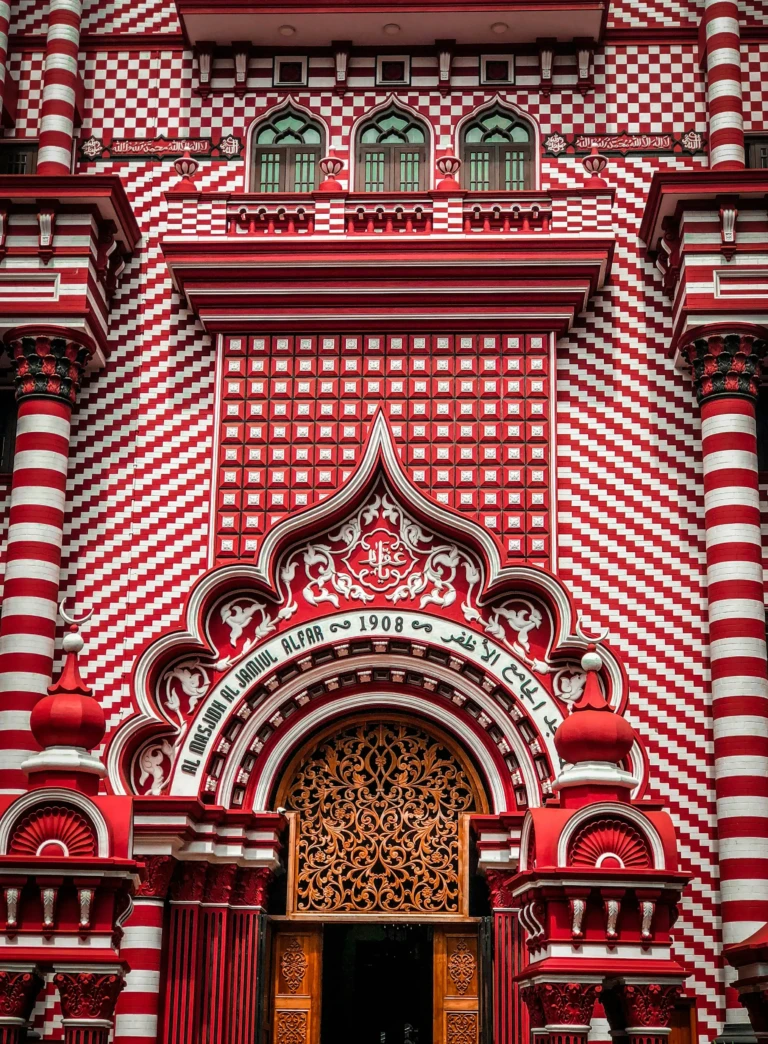
- Nearby Attractions: The market is within walking distance of the bustling Pettah Market, the historic Colombo Fort, and the Jami Ul-Alfar Mosque (Red Mosque).
Why the Pettah Floating Market Should Be on Your Itinerary
For travelers wondering what to do in Colombo, the Pettah Floating Market offers a unique and memorable experience. While it may not be a traditional shopping paradise, it provides a peaceful escape from the city’s chaos and a fascinating glimpse into Colombo’s ongoing urban transformation. Whether you’re looking for local handicrafts, enjoying a sunset stroll, or simply curious about this innovative development, the floating market is well worth a visit.